
Hang 'em High
Did They Really Hang Horse Thieves in the Old West?

How many people were legally hanged for stealing horses back in the Old West? Dozens? Hundreds? Maybe even thousands?
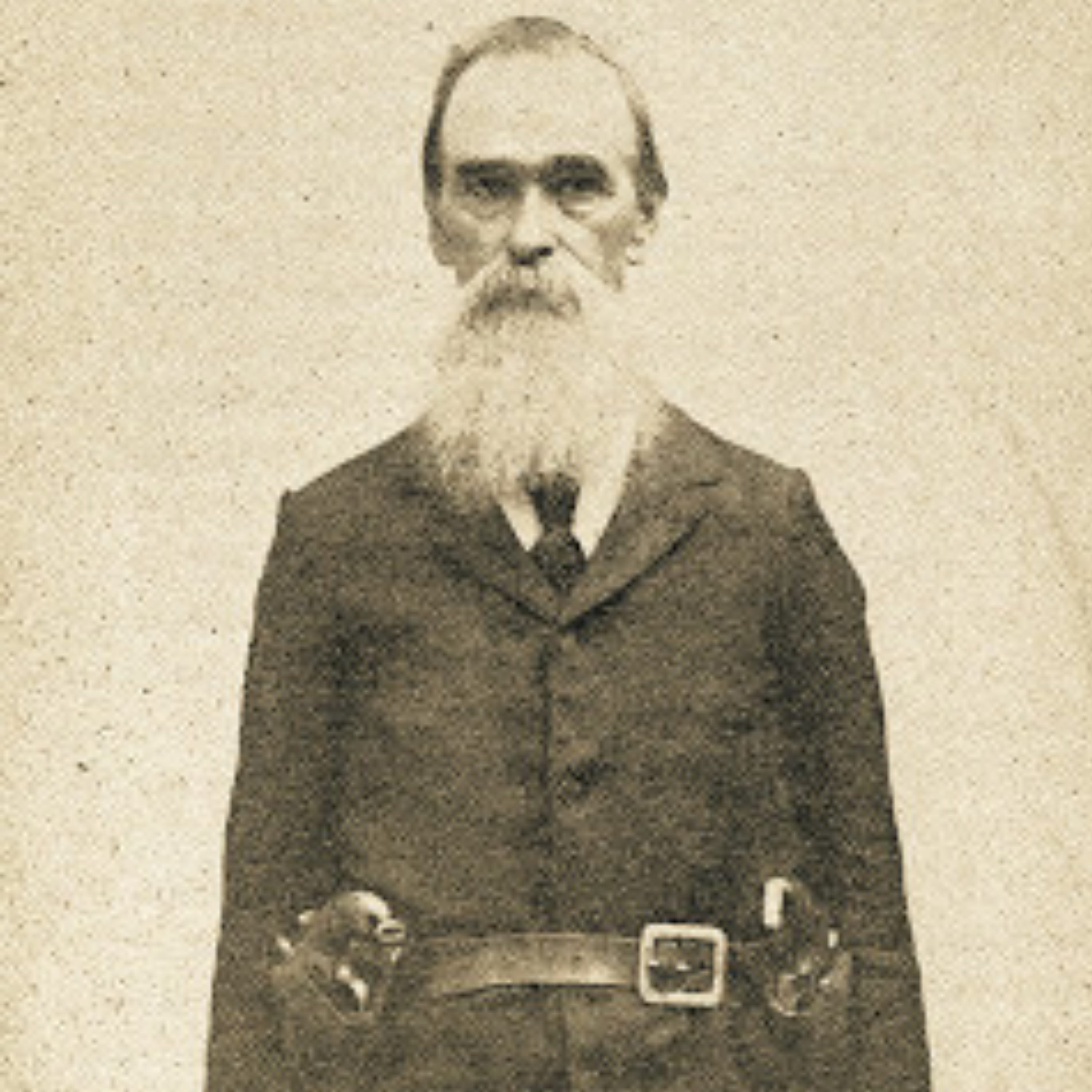
The actual number is just one.
That’s right. Across the entire history of the Old West, exactly one person was legally hanged for horse theft. An ole boy over in California named Theodore Valenzuela. And even then, the horse theft was technically charged as grand larceny.
Now, don’t get me wrong. Plenty of people got strung up for stealing horses. But almost exclusively by lynch mobs, as opposed to a court-appointed executioner. And yes, that includes my own home state of Texas.
If you look at the Texas penal codes from the 1850s, horse theft only carried a sentence of two to seven years in the penitentiary. They bumped it up in 1879 to a maximum of fifteen years, but it was never punishable by death. I bring up Texas specifically because there’s still a lot of people walking around under the impression that you can hang someone in this state if you catch them stealing your horse. I’ve heard it my whole life and it is absolutely false.
Same applies to every other Western state and territory. At no point was there a law on the books in the Old West that made stealing horses a capital offense, with the lone exception of that grand larceny statute over in California. And that only resulted in the single execution I mentioned earlier.
So Where Does the Myth Come From?
Go back far enough to colonial America and it’s an entirely different. Back in those days, the colonies were operating under English common law, a particularly brutal form of justice that historians refer to as the bloody code. Between 1688 and 1820, the number of capital crimes in England shot up from around 50 to over 200.
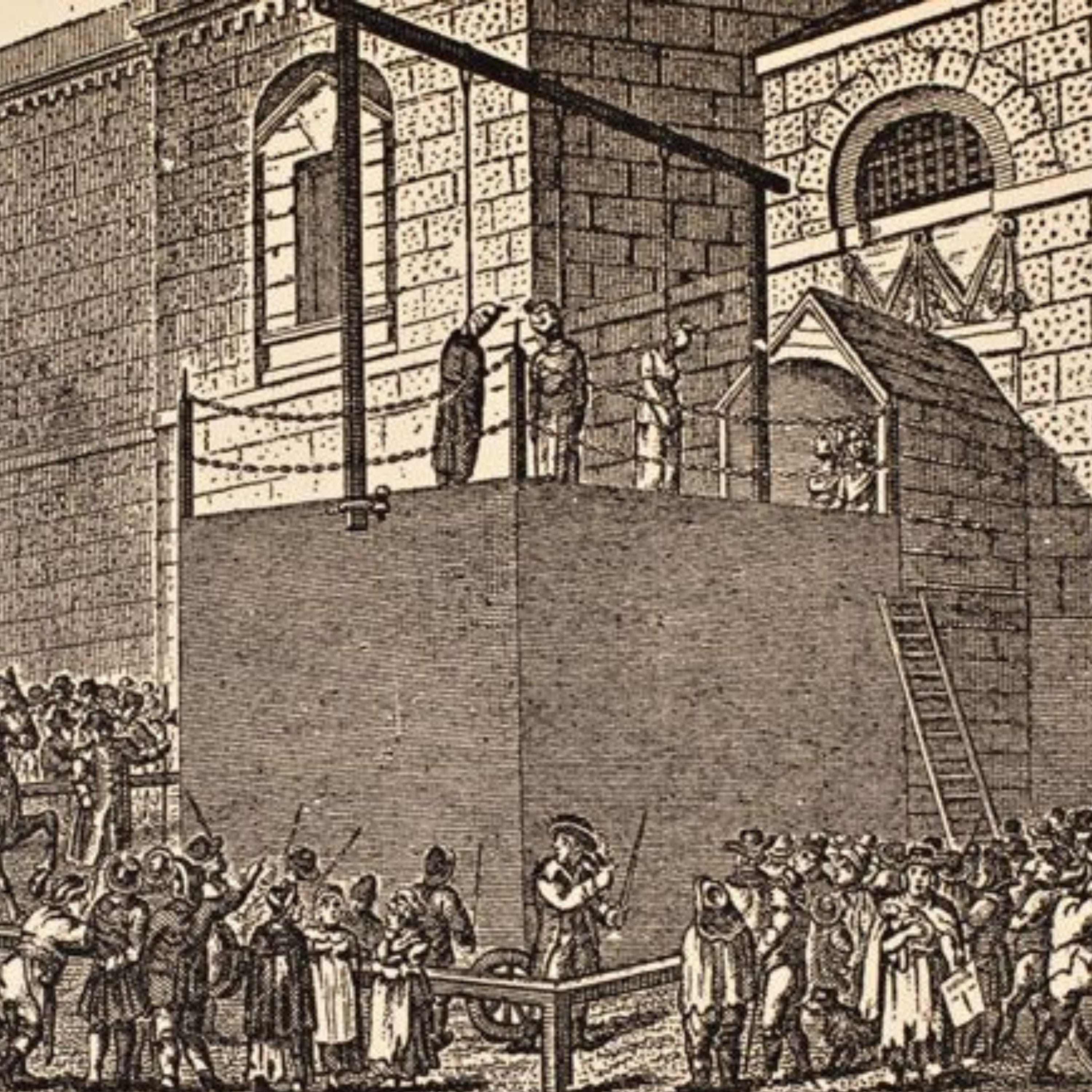
And when I say crimes, I’m not necessarily talking about violence. The majority of these crimes that resulted in the death penalty were over stolen property. Grand larceny was a hanging offense. So were forgery, arson, pickpocketing, and counterfeiting. Hell, even falsely impersonating someone with the intent to defraud could get your neck stretched. And yes, stealing horses was on the list, too.
That said, the last person actually hanged for horse theft in Great Britain was a guy named John Hughes back in 1825. The law was outright abolished by 1832. We’ll get to why in a minute.
Either way, this is the system the American colonies inherited. So technically, if you go back far enough, there were laws in North America making horse theft a capital offense. But it really wasn’t used all that often. More people were executed for piracy and almost as many for witchcraft as for stealing horses.
My source on all this is something called the Espy File, which is considered the gold standard when it comes to legal executions in the United States between 1608 and 2002. All told, Espy and his colleagues identified over 15,000 legal executions across four centuries. Out of all those, only 51 were for stealing horses. And out of those 51, only one occurred out west.
So while there were laws at one point making horse theft punishable by death, by the time we get to the western cattle drives and the mining camps and famous outlaws like Billy the Kid or Butch Cassidy, those laws had been off the books for decades.
Pious Perjury
Now, just to circle back to Great Britain real quick. Under English common law, grand larceny was defined as theft of goods worth more than 12 pence, which, adjusted for inflation, comes out to about 20 bucks in modern American greenbacks. Not a perfect conversion, but either way you shake it, it was a small sum.
To put it in perspective, if we were still under the bloody code, you could be legally executed for stealing a case of beer or a bag of dog food. Pretty extreme, right?
English juries thought so, too. To the point that they just flat out refused to convict.
Imagine you’re a regular working stiff in 18th-century London, sitting on a jury. The prosecutor brings in some poor kid who got caught stealing a wheel of cheese from a bakery, or maybe a silver spoon from a wealthy household worth two shillings, twice the threshold for grand larceny. The judge tells you that if you find this kid guilty, he hangs.
So what do you do? What most English jurors did was straight up lie under oath. They’d huddle up, deliberate for a bit, then come back and announce that it was their considered opinion the spoon or the cheese was only worth 11 pence, just under the threshold. The kid would still get punished, usually a lashing or a one-way ticket to Australia, but he didn’t hang.
This was so common that historians have a name for it. Pious perjury. Lying under oath in the eyes of both God and the king because you believe telling the truth would be a worse sin than telling a lie.
Here’s where it gets interesting. This wasn’t just some sissified British concept. We find the exact same thing happening out west.
Not with horse theft, since there were no actual laws making it a capital offense out west. But there were similar laws around other forms of robbery. New Mexico and Arizona, for example, both made train robbery punishable by death. Those laws were on the books for over two decades, and they only hanged one person under them. A guy known as Blackjack Ketchum.
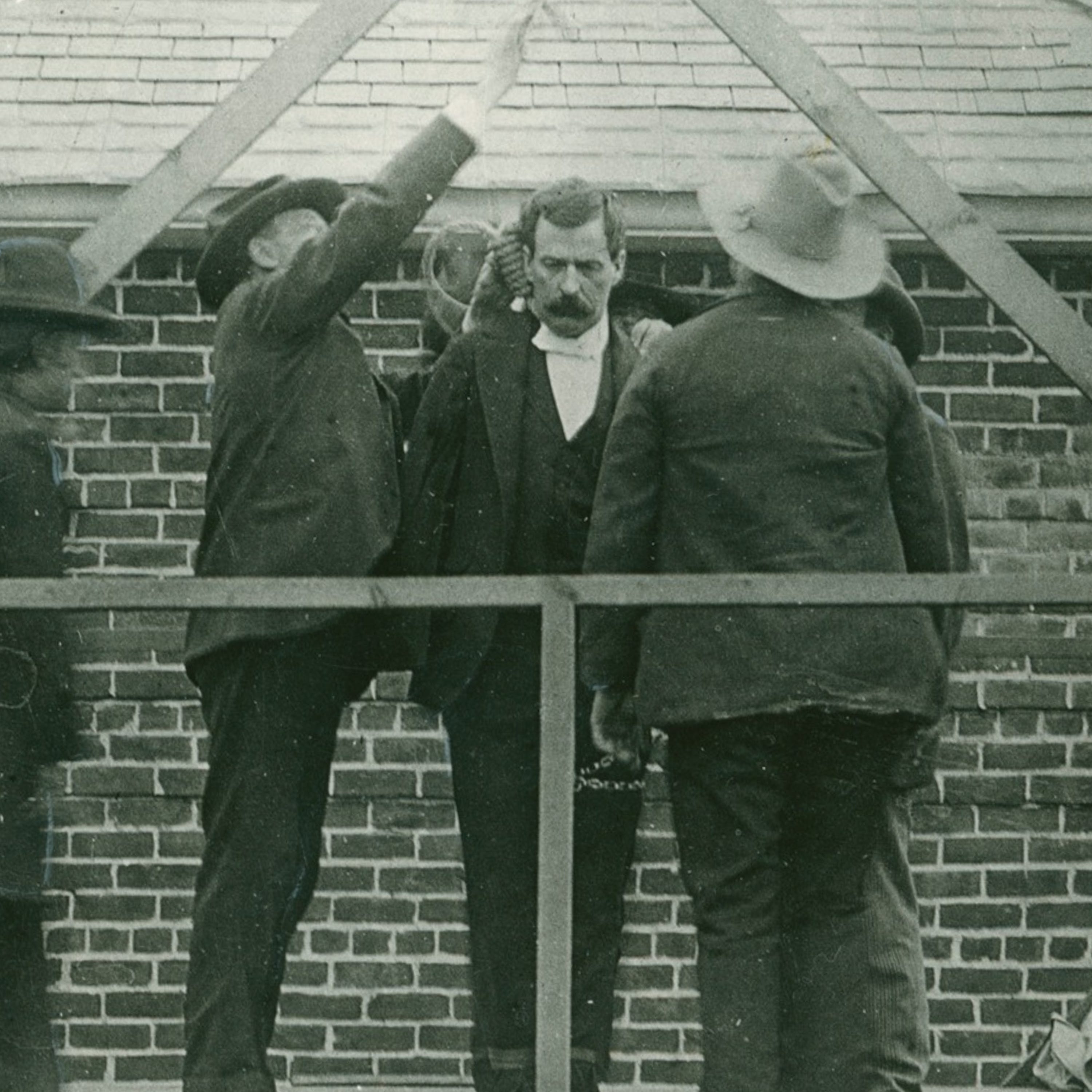
Now, you might think that proves being tough on crime works. After all, if they only hanged one guy, the rest must have gotten the message. Not quite. Trains were still getting robbed regularly in both territories. Men were still getting arrested for robbing them. The juries just flat out refused to convict.
Prosecutors caught on and started charging train robbers with lesser offenses. Highway robbery. Assault. Interfering with the US mail. The guilty parties still got punished, sometimes with years behind bars, sometimes even branded, but they didn’t get executed.
Power, Not Justice
The only question left is why. Why did Western juries refuse to convict even when they knew the defendant was guilty? And if horse theft really was such a heinous offense, why didn’t they push through actual legislation making it punishable by death?
I’ll be honest. I don’t have a clean answer. The history is complicated, and so are people, especially the kind of people who lived on the frontier in the 1800s.
What I will say is this. I think we’ve all, myself included, been greatly misled by Hollywood when it comes to how things really worked back in the Old West. When most people picture frontier justice, they see it as a righteous undertaking. The good guys win, the bad guys get put in the dirt, end of story.
These kinds of executions did happen, but they weren’t necessarily par for the course. Many western lynchings had a whole lot more to do with power than justice. The Johnson County War is a great example. Plenty of people got strung up during that conflict, but it rarely involved regular folks rising in righteous anger to stop evildoers. More often, it was wealthy cattle barons lynching innocent homesteaders.
Take Ella Watson. In July 1889, she was forcibly removed from her home and hanged from a pine tree. According to the cattle baron Albert Bothwell, Watson was a stock thief and a prostitute. Truth is, she just owned land Bothwell wanted. When she refused to sell, he had her killed and took the land. And no, Bothwell was never held responsible.
This stuff was extremely common. Might makes right. Whoever had the most money or the most guns or the most power, they decided who was guilty and who wasn’t. Plenty of innocent people got caught up in the mix. By most estimates, one out of every three lynching victims was innocent.
So just because mob justice happened in the Old West doesn’t mean the majority of westerners were in favor of it. All it proves is that powerful men, when left to their own devices, will operate outside the law whenever it suits them. It wasn’t just Johnson County either. You can find the same pattern across mining operations, railroad executives, and cattle associations. Almost never about justice.
Remember that Arizona law that made train robbery a capital offense? It wasn’t the citizens of Arizona who pushed that through. It was the railroads. Technically, a legislator who had formerly been employed by the Southern Pacific.
Wrapping Up
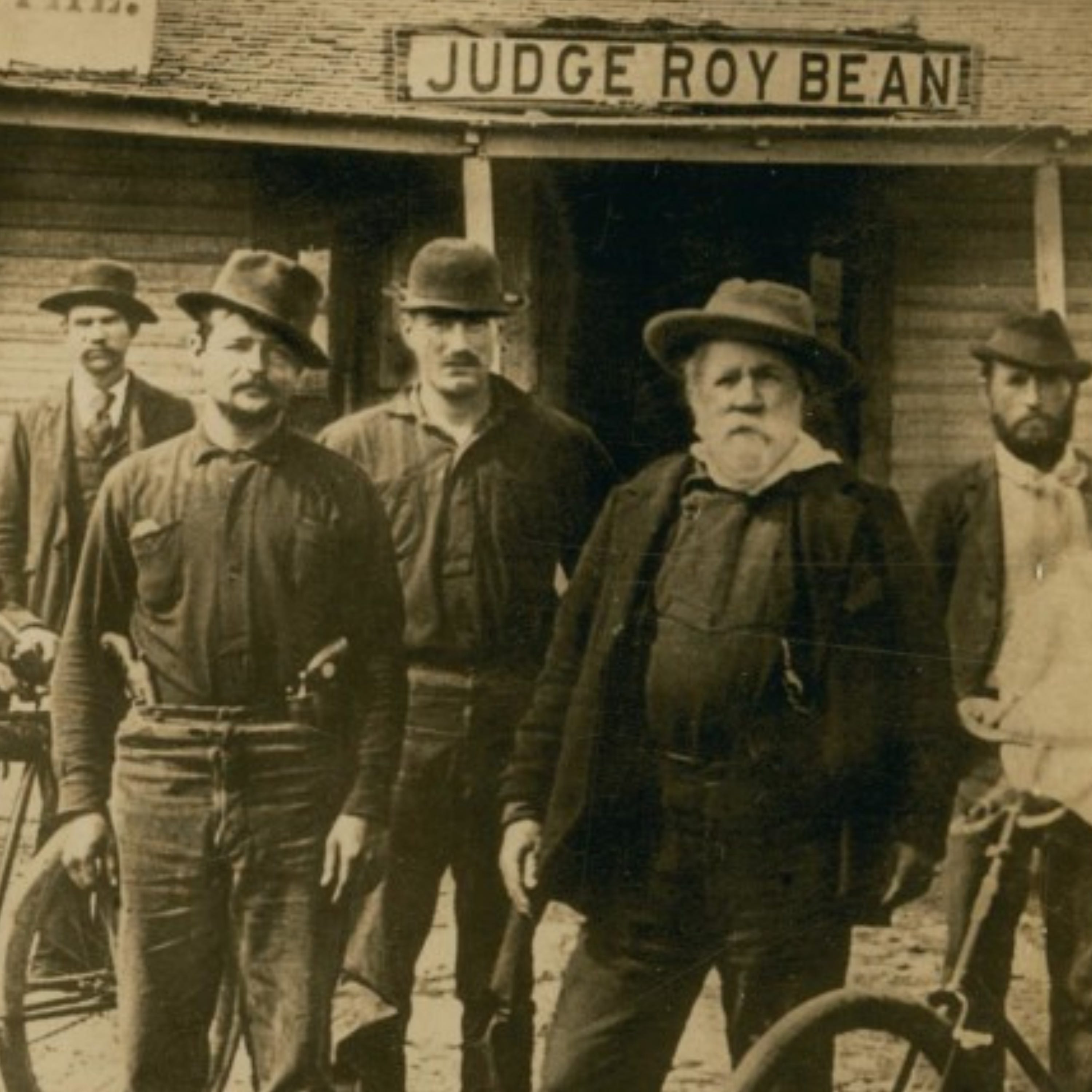
Best I can figure, even being generous with the numbers, there were only about 40 to 60 verified horse theft lynchings across roughly three decades of the Old West. And before anyone brings up Judge Roy Bean, sorry to be the bearer of bad news, but the so-called Law West of the Pecos, the man whose entire legend is built around stringing up horse thieves from the back of his saloon, never actually hanged anyone. Not for horse theft and not for any other offense.
Then there’s Doc Middleton, arguably the most prolific horse thief of all time. Dude stole thousands of horses. When he was finally caught, he got around five years behind bars. Then he became a deputy sheriff.
So to sum it all up. There was never a time in the Old West when stealing horses was legally punishable by death. When Western juries were confronted with similar laws, such as the one for train robbery, they overwhelmingly rejected them. Vigilantes took the law into their own hands, sometimes justifiably, but nowhere near as often as the movies make it out to be. And a whole lot of innocent people were strung up by wealthy landowners who knew nobody would come after them.
Turns out due process actually matters. Who would have thunk it?
To learn more, please check out the most recent edition of The Wild West Extravaganza.
Until next time, adios.
Great read. Dime store novels and the winning of the West are full of old hyped reporters adding lots of shoot-em-up BS to eastern newspapers.
There used to be an interactive map online, which kept track of extra-judicial killings. You could focus in on specific areas, or move a slider, which produced results over time. California may actually have surpassed Texas in the number of lynchings, many of which took place at sites where gold had been found—and ‘foreign’ miners, meaning anyone who wasn’t white—made up the vast majority of victims.