
The Rifle That Outlived Him
Henry Newton Brown's Fancy Winchester

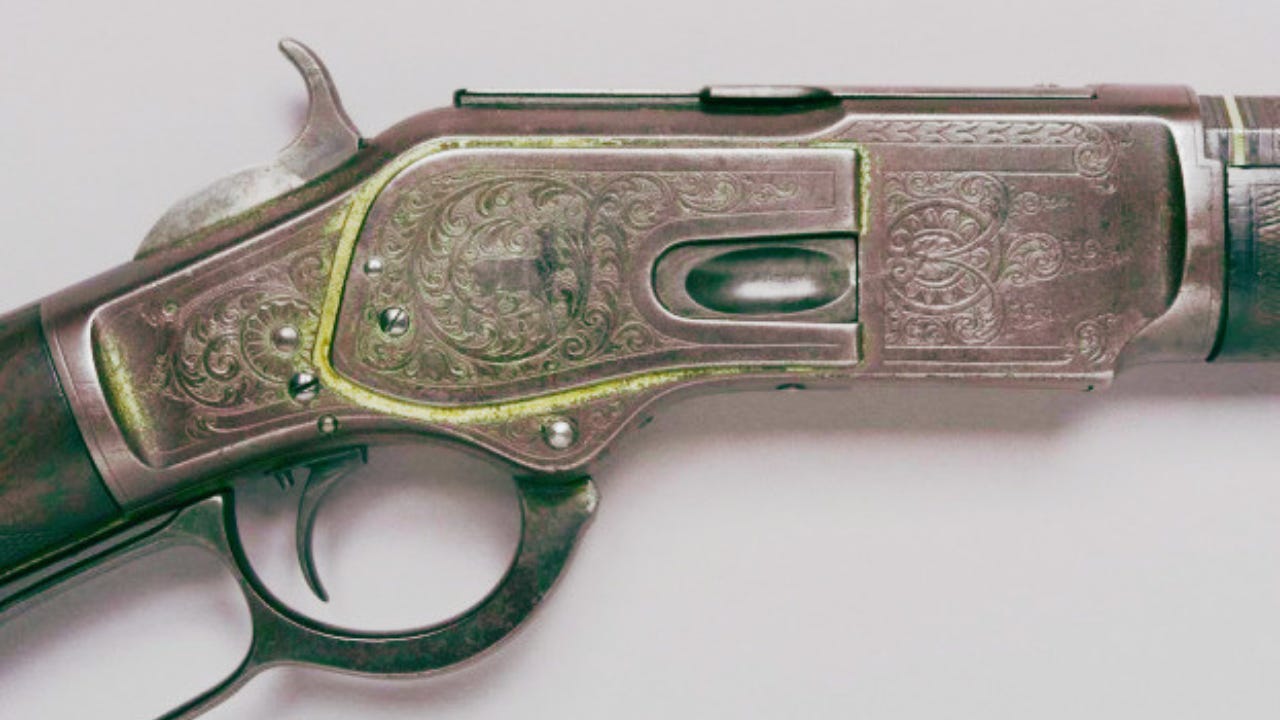
On New Year’s Day, 1883, the grateful citizens of Caldwell, Kansas, handed their city marshal a gift. It was a Model 1873 Winchester, second model, serial number 33669, gold and silver mounted, ornately engraved, with a silver presentation plate set into the stock:
PRESENTED to CITY MARSHALL
H.N. BROWN
for valuable services rendered
in behalf of the Citizens of
CALDWELL KAS
A.N. COLSON MAYOR
Dec 1882
Nobody in Caldwell knew they were gifting an engraved rifle to a man who, four years earlier, had ridden with Billy the Kid and fled New Mexico with a murder charge hanging over him. They thought they were rewarding a quiet, pious, teetotaling lawman who had taken their wild cowtown and made it livable. And by most measures, they were correct.
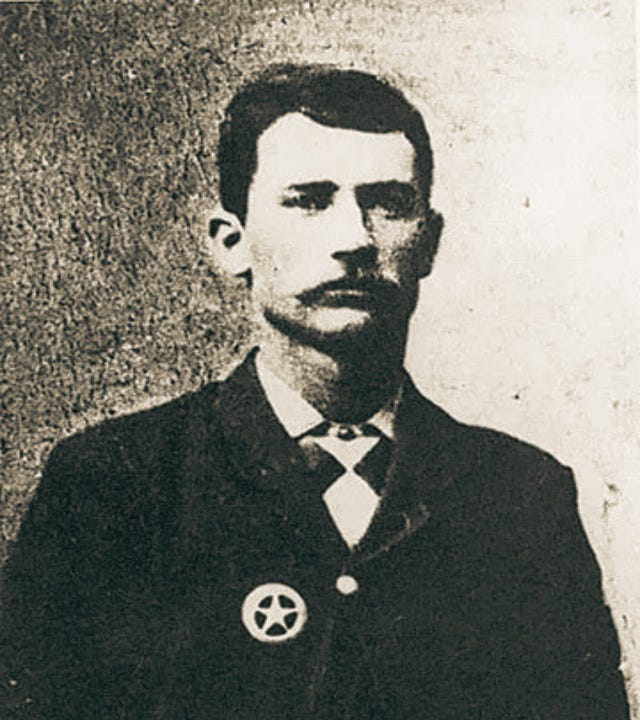
Brown didn’t drink, gamble, or smoke, and by most accounts didn’t say much of anything unless he had to. He also proved handy with a revolver, as evidenced by the May 1883 killing of a man known as Spotted Horse.
The Caldwell Post described Brown as “one of the quickest men on the trigger in the Southwest.” The Caldwell Commercial went further, describing him as “cool, courageous and gentlemanly, and free from vices.” Six months into his tenure, the town council reappointed him. Six months after that is when they handed him the rifle.
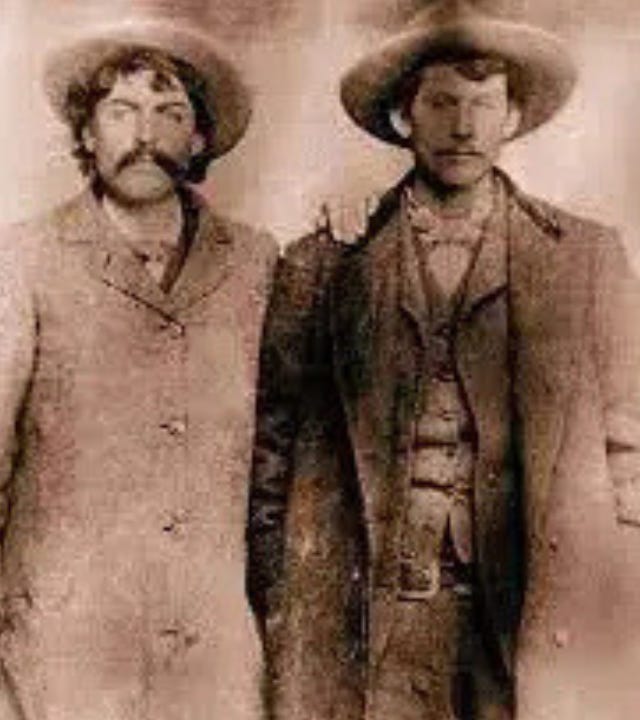
Brown used the rifle in the line of duty at least once, on December 16, 1883, when he killed an unruly gambler named Newt Boyce. As a result, the papers once again sang his praises, and the town raised his pay to $125 a month.
Things took a much darker turn on April 30, 1884, when Brown carried that same rifle into the bank in the neighboring town of Medicine Lodge and (allegedly) shot the bank president to death with it.
The robbery fell apart almost instantly. Cashier Geppert closed the vault while dying, a posse ran Brown and his accomplices into a box canyon a few miles south of town, and the would-be robbers were tossed behind bars.
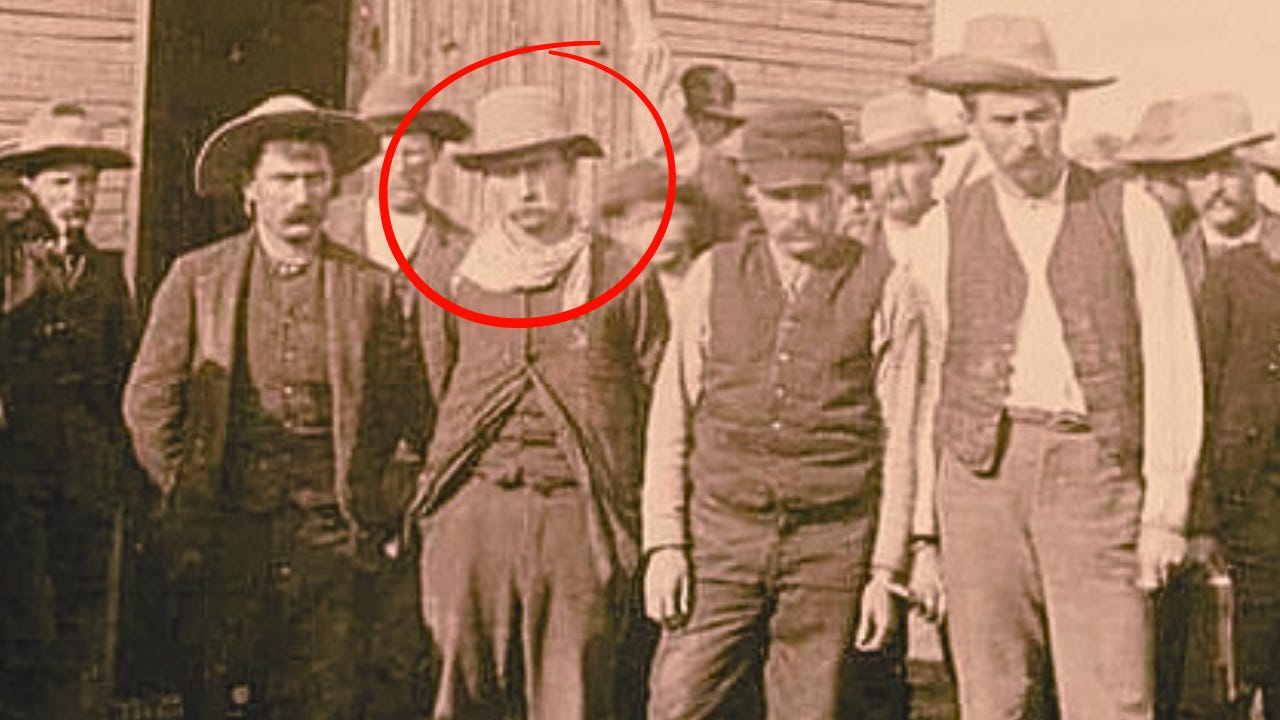
Before Brown died at the hands of a lynch mob later that night, he penned a letter to his wife, Alice. The Caldwell Journal later printed it, and it’s about what you’d expect. Apologies, expressions of devotion, and a request that she come see him. He also mentioned the rifle:
“I will send you all of my things, and you can sell them. But keep the Winchester.”
Sell the furniture. Sell the house. Sell whatever you have to. But keep the rifle.
Alice may not have sold the rifle, but she did give it away to the Foster family. It remained in their care until October of 1976, when they sold it to Dr. M. B. Aynesworth. A year later, Aynesworth donated it to the Kansas Museum of History in Topeka, where it’s been on display ever since.
I’ll be discussing the life of Henry Newton Brown in much greater detail on The Wild West Extravaganza, including his time during the Lincoln County War and the reaction of Caldwell locals upon learning the news.
In case you missed it, I recently released a compilation covering some lesser-known figures from the Old West.
Wow, what a story!
Beautifully engraved guns are great, but beautifully engraved guns with fantastic human stories are the best.