
The Short, Violent Life of Spike Kenedy
The Man Who Killed Dora Hand

James “Spike” Kenedy was the kind of man who couldn’t lose gracefully. Whether it was a hand of poker, a bar fight, or the affections of a woman, every slight became a grudge, and every grudge seemed to end with him reaching for a gun.
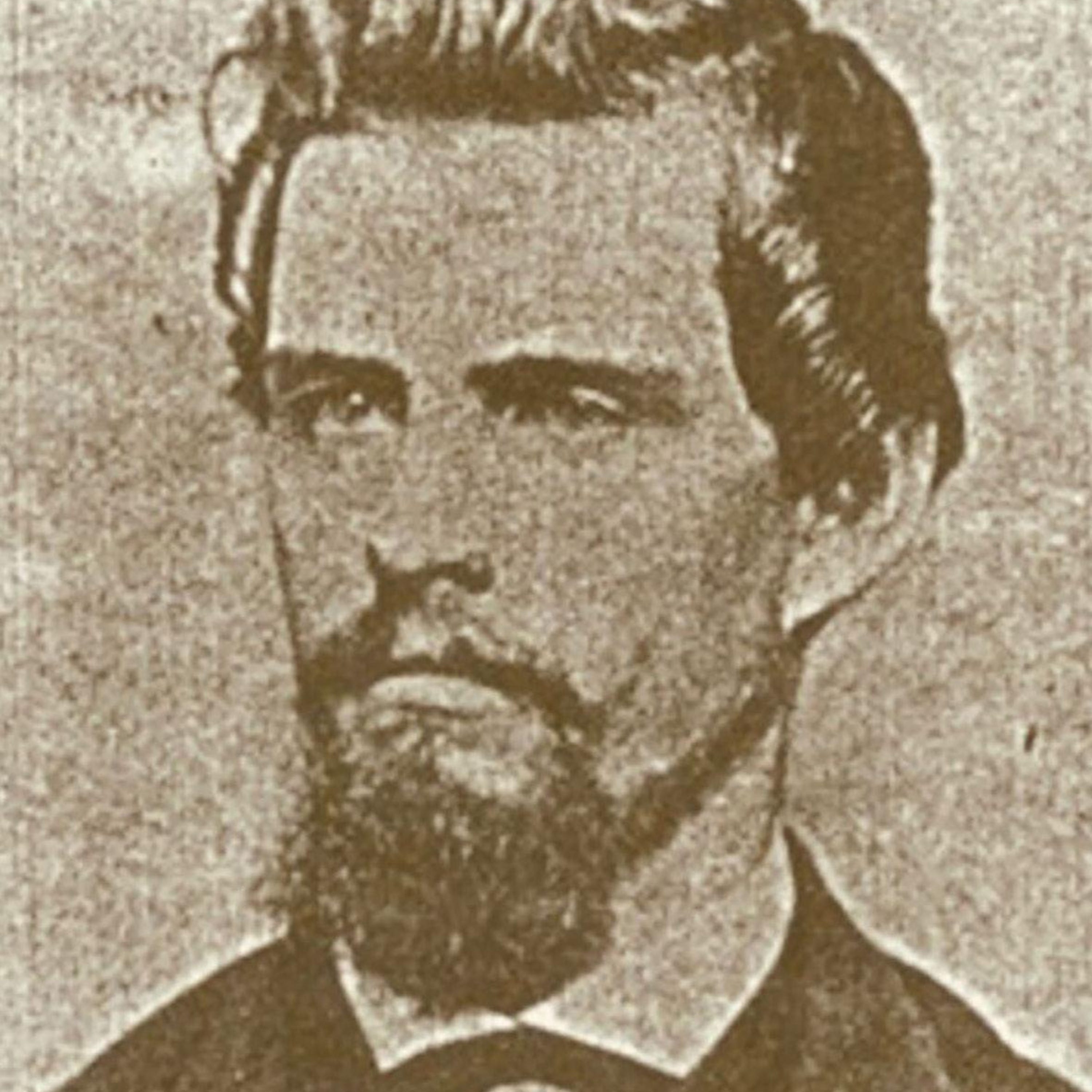
His first known fight occurred on July 27th, 1872, in an Ellsworth, Kansas, saloon. An unarmed Spike accused a Texas cattleman named Print Olive of cheating at poker. In turn, Olive told him in no uncertain terms to cash in his chips and clear out. Or else. Spike obliged, but his pride got the better of him. He came back later that evening, walked behind the bar, grabbed a revolver, and put four bullets into Print Olive before Olive’s loyal friend James Kelly returned fire and ended the fight.
Spike skipped town, and the law, as it so often did when wealthy Texas cattlemen’s sons were involved, just kinda let it go.
You see, Spike’s father was none other than Mifflin Kenedy, partners with Richard King of King Ranch. Mifflin would eventually start a large spread of his own down in South Texas, and to say that his son Spike was born with a silver spoon in his ass might just be an understatement.
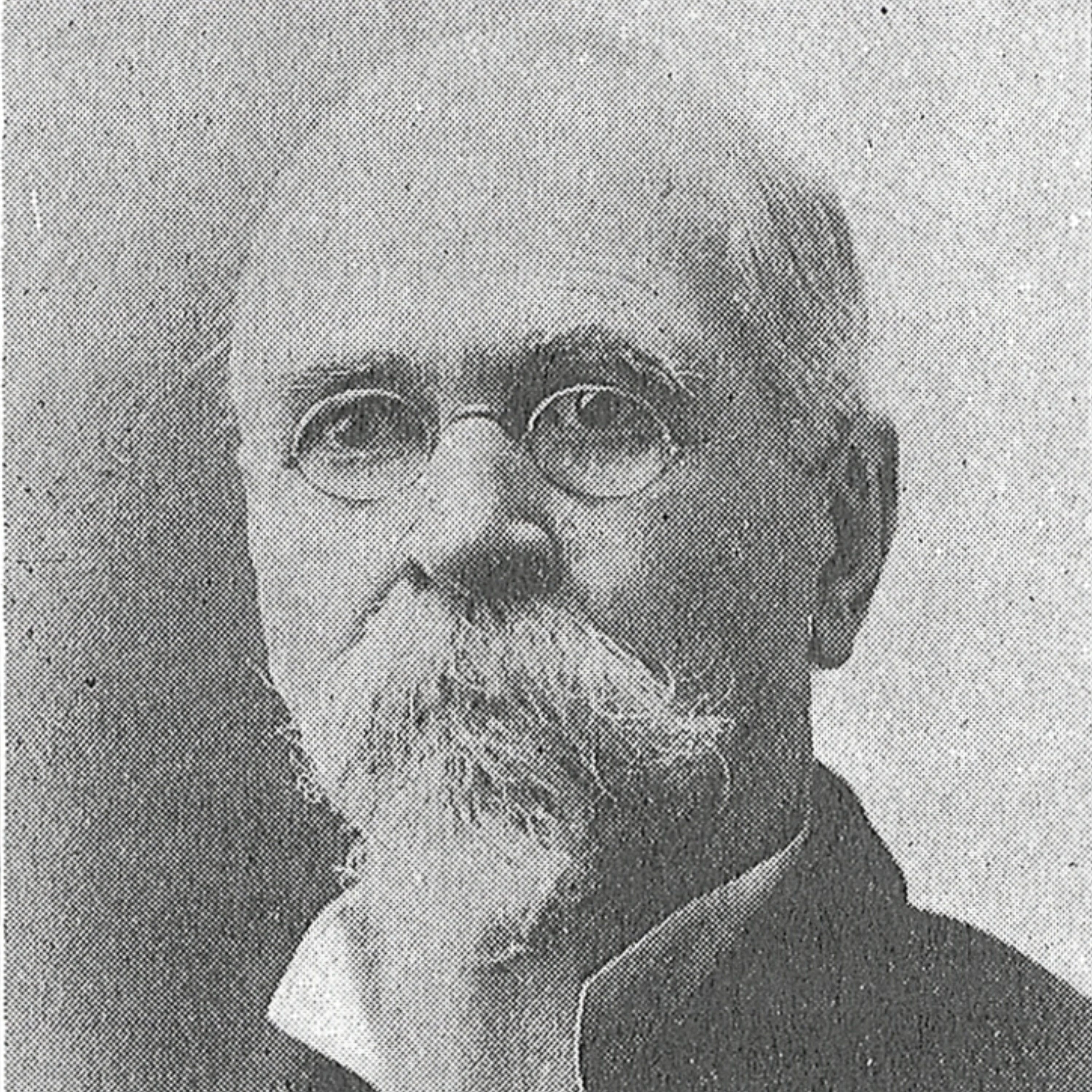
Six years after that shooting at Ellsworth, Spike was back in Kansas and got crossways with a Dodge City saloon owner known as Mayor James “Dog” Kelley.
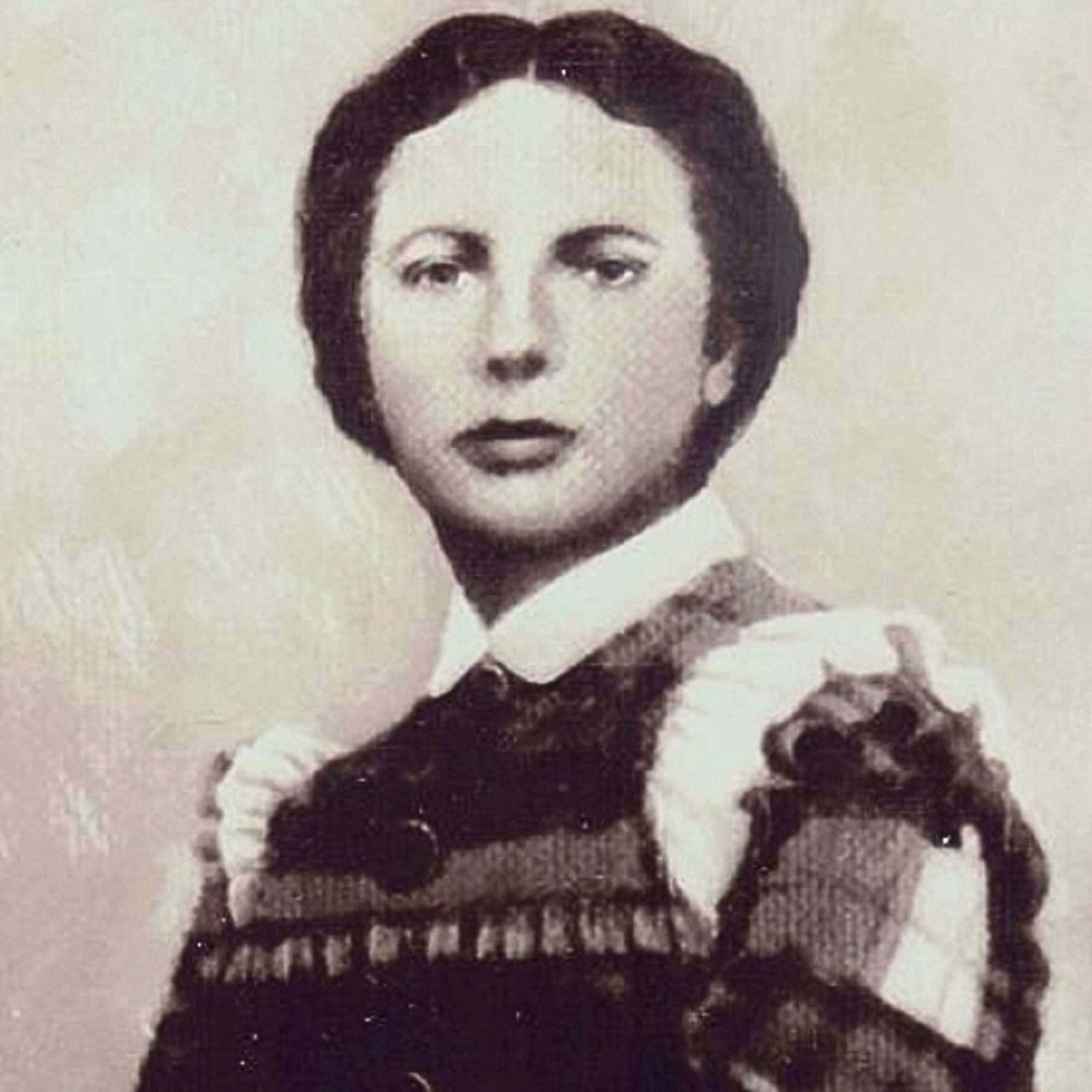
The two had gotten into a brawl over the affections of the Alhambra’s star attraction, a beautiful young singer named Dora Hand (Or Fannie Keenan, depending on the source).
Hand was something of a frontier legend in her own right. Boston-raised, opera-trained, she sang in the saloons by night, in the church on Sundays, and gave generously to the poor. Wyatt Earp’s biographer Stuart Lake later called her “the most graciously beautiful woman to reach the camp in the heyday of its iniquity.”
Mayor Kelley had apparently embarrassed Spike pretty good in their brawl, throwing him head-first into the muck of the thoroughfare. So Spike did what he always did. He waited.
On the night of October 4th, 1878, he crept up to Kelley’s two-room frame house and fired two shots through the front door, aiming for the bedroom where Kelley usually slept. The only thing is, Kelley wasn’t home. He was at Fort Dodge and had let Dora Hand and her friend Fannie Garretson stay at the house in his absence. The first bullet passed through Garretson’s nightgown without hitting her. The second went through a partition wall and instantly killed the 34-year-old Dora Hand.
Spike rode hard out of Dodge, but he hadn’t counted on the posse Sheriff Bat Masterson assembled to bring him in. Masterson, Wyatt Earp, Bill Tilghman, and Charlie Bassett, four of the most famous lawmen of the era, rode a hundred miles through a snowstorm and ran Spike down at Cimarron Crossing, near Meade City.
When he refused to surrender, a shot from Masterson’s rifle shattered his left shoulder, and Earp shot his horse out from underneath him. Spike’s first words to the lawmen as they were arresting him were, “Did I kill that bastard Kelley?” When they told him he’d killed Dora Hand instead, he reportedly said they should have made a better shot at him than they did.
Back in Dodge, doctors cut four inches of bone out of his shattered arm, leaving it permanently disabled. Sadly, that was the only price Spike Kenedy ever paid.
His father Mifflin boarded a train in Corpus Christi and headed straight for Dodge City. According to local rumors, he arrived with as much as twenty-five thousand dollars in a satchel. Spike’s “trial” was conducted three weeks later in a small room next to his jail cell, with Judge Rufus G. Cook presiding. The proceedings only lasted a few hours, and the Ford County Globe reported that Kenedy “was examined last week before Judge R. G. Cook and acquitted. His trial took place in the Sheriff’s office, which was too small to admit spectators. We do not know what the evidence was or upon what grounds he was acquitted.”
In the year that followed, several of the men who’d attended that closed-door meeting reportedly came into surprising amounts of money. Imagine that.
Spike went back to Texas to recover. In November of 1883, he married a young woman named Corina Balli Trevino, and the following August she gave birth to a son, George Mifflin Kenedy. But Spike’s luck, such as it was, had finally run out. He’d contracted a serious illness, variously reported as typhoid fever with severe lung congestion or simply consumption, traced back to an old wound he’d received in an Indian fight while driving cattle to Kansas years before.
Whatever it was, it took Kenedy’s life on December 29th, 1884. Interestingly enough, at the time of his death, he was under indictment for the so-called “accidental” shooting of a ranch hand he’d just fired.
The man who’d shot Print Olive over a poker game and killed Dodge City’s beloved Dora Hand never lived to see thirty. And as for Dora, she got the biggest funeral in Dodge City’s history. Over four hundred cowboys, hats on their saddle horns, rode behind the springboard wagon that carried her body to Boot Hill.
Grew up in the town of Kenedy, Tx, about 60 south of San Antonio. Mifflin Kenedy named the town and he and the King patriarch built the railroad which ran through the town. He also has named after him the county of Kenedy located south of Corpus Christi.
Had never heard of the notorious son until this article, but have heard of many stories of killings by wealthy family members and them getting off without suffering any type of jail time. $25,000 would have been a lot of money back then.
Thanks for sharing.
What an a--hole! I guess his daddy couldn't pay off Karma! 🤣